How Yorgo Kattan interprets Traditional Gathering Practices in food culture
Wiki Article
Appreciating the Significance of Western Australian Food: Commemorating Diverse Culinary Traditions
Western Australian food embodies an unique mix of tastes and practices. It reflects the region's seaside bounty, aboriginal components, and the influence of different migrant societies. This culinary landscape grows on sustainability and local fruit and vegetables. Each dish tells a story, attaching people to their heritage and environment. As one explores this rich tapestry, concerns occur regarding the role of area and event in shaping these varied cooking experiences. What extra could be found?The Coastal Bounty: Fresh Seafood and Lasting Practices
As the sunlight climbs over the beautiful waters of Western Australia, the area's online reputation for fresh fish and shellfish and sustainable fishing practices becomes significantly apparent. With its considerable coast, Western Australia flaunts a wealth of aquatic life, consisting of delicious shellfishes, tender crabs, and a range of fish varieties. Local fisheries prioritize sustainability, employing techniques that protect environments while ensuring a stable supply of fish and shellfish. The commitment to responsible practices is reflected in efforts targeted at protecting fish supplies and marine habitats. Markets and restaurants display these initiatives by providing seasonal, locally sourced fish and shellfish, attracting both homeowners and tourists alike. This devotion not only highlights the area's cooking splendor yet also stresses the importance of environmental stewardship in the fish and shellfish market.Aboriginal Ingredients: A Preference of Standard Bush Food
Native ingredients play a crucial duty in the cooking landscape of Western Australia, providing special flavors that mirror the region's rich heritage. Standard gathering techniques highlight the deep connection between Aboriginal communities and their environment, highlighting sustainability and respect for nature. Comprehending the social importance of these active ingredients enhances the gratitude of bush food as a necessary element of Australian identity.Indigenous Bush Foods
Indigenous bush foods represent a rich tapestry of tastes and traditions that have actually been grown by Australia's First Nations peoples for countless years. Yorgo Kattan. These components, varying from wattleseed and bush tomatoes to finger limes and quandongs, supply a distinct point of view on the cooking heritage of the region. Used in both typical and modern dishes, native bush foods are commemorated for their nutritional benefits and unique tastes. Several cooks and home chefs alike are increasingly including these indigenous active ingredients into their menus, highlighting their versatility. The rebirth of passion in native bush foods not just honors old practices but also promotes lasting sourcing and gratitude for the land. This revival showcases the importance of these active ingredients in modern Australian cuisineConventional Gathering Practices
Conventional event practices for bush foods are deeply intertwined with the social heritage of Australia's First Nations peoples, showing an extensive regard for the land and its sources. These techniques include a deep understanding of seasonal cycles, plant behaviors, and pet motions, making sure lasting harvesting approaches. Indigenous areas have historically made use of typical expertise to determine edible plants, pets, nuts, and fruits, typically sharing this knowledge via dental customs. Collecting events are communal, strengthening social bonds and social identity. The mindful collection methods used show an innate connection to the atmosphere, highlighting the value of maintaining equilibrium within ecosystems. With these methods, First Nations peoples remain to honor their ancestors while supplying nourishment that is both ecologically lasting and culturally significant.Social Significance of Active Ingredients
While the diverse landscape of Western Australia is abundant in distinct plants and fauna, the social value of its indigenous ingredients prolongs far beyond simple nutrition. These active ingredients, such as bush tomatoes, wattleseed, and finger limes, are deeply linked with the customs and practices of Aboriginal neighborhoods. They not just provide nutrients yet also embody the understanding gave via generations concerning land stewardship and seasonal cycles. Making use of these native components in modern-day cuisine shows an expanding recognition of their historical significance and nutritional worth. Chefs and home chefs alike are discovering these tastes, bridging the space between contemporary eating and old culinary techniques, thereby recognizing the social heritage embedded within each bite.The Influence of Migrant Societies on Western Australian Cuisine
Migrant cultures have actually substantially shaped the cooking landscape of Western Australia, presenting varied tastes and methods. This combination has actually caused ingenious recipes that blend standard ingredients with global impacts. Because of this, Western Australian food mirrors a rich tapestry of social heritage, enhancing its charm and complexity.

Culinary Combination and Innovation
Just how has the influx of varied societies shaped the culinary landscape of Western Australia? The area's food has advanced into a lively tapestry of flavors, affected by migrant communities from Asia, Europe, and the Middle East. This cooking blend has actually caused ingenious meals that blend conventional recipes with regional active ingredients. For instance, the incorporation of seasonings such as turmeric extract and coriander into traditional Australian fare showcases this melding of societies. Food festivals commemorate these diverse influences, highlighting the imaginative exchanges amongst cooks who draw inspiration from their heritage. Consequently, Western Australian Check This Out food is not just a representation of its history but likewise a vibrant canvas of continual innovation, interesting both locals and site visitors alike.Typical Active Ingredients and Flavors
The culinary landscape of Western Australia is exceptionally enriched by conventional active ingredients and flavors brought by diverse societies. Migrant communities have actually presented unique components, such as spices from Southeast Asia, Mediterranean natural herbs, and African grains, which have actually effortlessly integrated right into local food. Aboriginal active ingredients, consisting of bush tomatoes and wattleseed, additionally play a necessary duty, showing the location's rich heritage. The blend of these tastes creates distinct dishes that celebrate both international and regional influences. Fish and shellfish, a staple of the region, is commonly coupled with these typical aspects, boosting the total experience. This mixing of cultures not just showcases the diversity of Western Australian cuisine however also honors the payments of migrant communities, making it a vibrant cooking tapestry.A Glass Of Wine Regions: Coupling Neighborhood Flavors With World-Class Glass Of Wines
While checking out the diverse landscapes of Western Australia, white wine lovers discover an exceptional site link synergy in between first-rate wines and regional flavors. The region's distinct terroir, defined by its Mediterranean environment and abundant dirts, produces extraordinary varietals like Chardonnay, Shiraz, and Cabernet Sauvignon. Prominent a glass of wine areas, such as Margaret River and Swan Valley, offer a huge selection of vineyards that welcome site visitors to example exquisite white wines coupled with in your area sourced components. The unified mixes enhance both culinary experiences and the appreciation of the red wines. Chefs usually craft dishes that spotlight native ingredients, further raising the eating experience. This fusion reflects the area's dedication to showcasing its agricultural bounty, making Western Australia a remarkable location for both food and a glass of wine connoisseurs.Farm-to-Table: The Splendor of Local Generate
Western Australia's culinary landscape prospers on the viewpoint of farm-to-table, stressing the relevance of local produce in creating lively meals. Farmers, passionate concerning lasting methods, cultivate a diverse range of fruits, natural herbs, and vegetables, which cooks enthusiastically include into their food selections (Yorgo Kattan). This direct connection between producers and restaurants not just improves freshness yet additionally cultivates area relationships and sustains the regional economic climate. Seasonal offerings dictate the developing landscape of Western Australian cuisine, urging chefs to innovate while appreciating standard flavors. The emphasis on quality active ingredients allows for a special culinary experience that mirrors the region's all-natural bounty. Diners enjoy the essence of the land, enjoying meals that highlight the abundant terroir and diverse farming heritage of Western AustraliaCraft Breweries and Distilleries: A Sip of Western Australia
Exactly how do craft breweries and distilleries contribute to the vibrant society of Western Australia? They function as necessary hubs for community interaction and creativity, showcasing local components and cutting-edge developing approaches. Each facility personifies an one-of-a-kind narrative, reflecting the area's diverse heritage and natural deposits. With a focus on high quality over quantity, craft breweries generate distinctive beers that highlight native flavors, while distilleries explore local botanicals to create artisanal spirits. This burgeoning market not just advertises lasting techniques yet also fosters have a peek at this website friendship amongst locals and visitors alike. Events like samplings and brewery excursions improve the experience, allowing individuals to get in touch with the craftsmens behind the items, strengthening appreciation for Western Australia's abundant culinary landscape.Celebrating Food Festivals: A Showcase of Culinary Diversity
As food lovers collect from far and wide, the dynamic festivals of Western Australia emerge as an event of culinary variety, showcasing a rich tapestry of flavors and practices. Each festival highlights regional produce, artisanal craftsmanship, and multicultural impacts, providing site visitors an unique gastronomic experience. Occasions like the Margaret River Premium Getaway and the Perth Good Food and Red wine Show draw in popular chefs and food lovers, developing a platform for development and cooperation. Guests savor recipes that show the area's farming bounty, from fresh fish and shellfish to indigenous bush foods. These events foster neighborhood spirit, encouraging regional artisans and producers to share their tales, consequently enhancing the social landscape of Western Australia and promoting sustainable culinary practices.
Regularly Asked Inquiries
What Are the very best Western Australian Recipes to Attempt?
The very best Western Australian meals consist of fresh barramundi, delicious kangaroo steak, and rich seafood chowder, matched by bush tucker components like quandong and wattleseed, showcasing the region's unique tastes and cooking heritage.How Can I Assistance Local Farmers in Western Australia?
Supporting local farmers in Western Australia can be attained by purchasing straight from farmers' markets, selecting regional produce at grocery store shops, joining community-supported agriculture programs, and supporting for sustainable farming practices within the community.Exist Vegetarian Options in Western Australian Cuisine?
Yes, Western Australian cuisine uses a range of vegetarian choices. Meals frequently highlight fresh regional produce, including seasonal vegetables, vegetables, and grains, mirroring the region's dedication to sustainable and diverse culinary techniques that deal with all dietary preferences.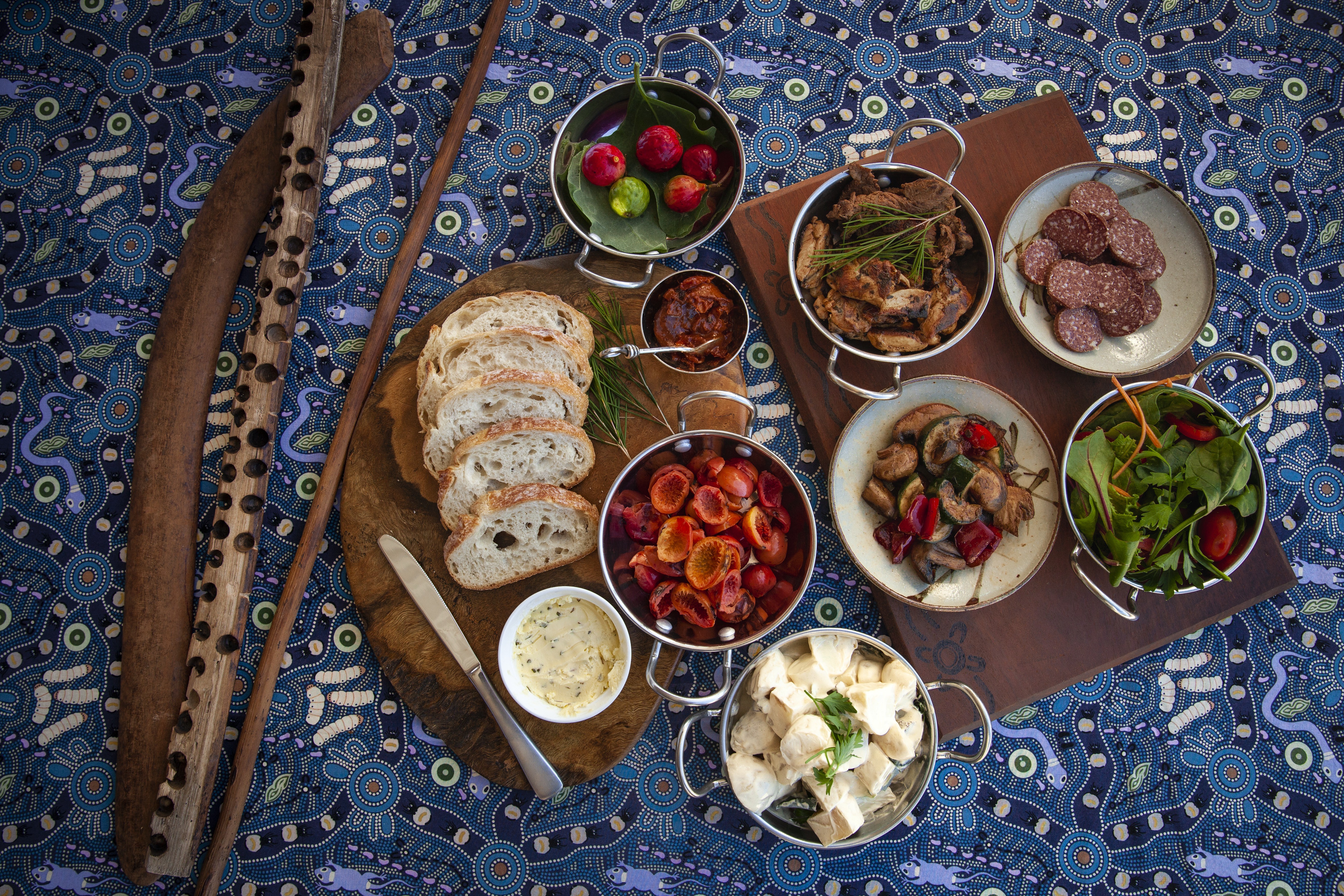
What Are Popular Food Markets in Western Australia?
Popular grocery store in Western Australia consist of the Fremantle Markets, Perth City Ranch, and the Subiaco Farmers Market. These locations display regional produce, artisanal products, and diverse culinary offerings, showing the region's vivid food society.Just How Has Environment Adjustment Affected Western Australian Food Practices?
Environment modification has actually substantially impacted Western Australian food methods, leading to altered expanding seasons, decreased plant yields, and increased dependence on sustainable techniques. Farmers are adapting by integrating resistant practices to preserve food safety and security and top quality.Native active ingredients play a crucial duty in the culinary landscape of Western Australia, providing unique tastes that reflect the region's rich heritage. Migrant cultures have actually considerably formed the culinary landscape of Western Australia, presenting diverse flavors and strategies. The cooking landscape of Western Australia is exceptionally enriched by typical ingredients and flavors brought by diverse societies. Western Australia's cooking landscape grows on the ideology of farm-to-table, highlighting the importance of local fruit and vegetables in producing lively meals. As food enthusiasts collect from near and far, the vivid celebrations of Western Australia emerge as a party of culinary diversity, showcasing a rich tapestry of tastes and customs.
Report this wiki page